

The Lean Compass

Fix What Bugs You.

I help teams find the things that waste time every day: walking, waiting, searching, rework and awkward processes. Let's fix all of them with the people who do the job day to day.

Shop-floorpractical
2-secondlean habits
UK-widesite support
Jordan Barham
About Me

Jordan Barham

I’m Jordan Barham, founder of The Lean Compass. My background is engineering, not management consultancy.

I became hooked on Lean after seeing how much difference small, practical improvements could make to the way people actually work. I’m particularly influenced by Paul Akers’ 2 Second Lean approach: keep it simple, involve everybody and improve something every day.

When I work with a business, I don’t want to spend the day in a meeting room producing a huge report. I want to be out with your team, finding the things that annoy them and physically helping to fix them.

Lean Beyond the Factory

Lean is Everywhere

Factories
Coffee Shops
Offices
New to Lean?

Lean is about removing the fog.

A surprising amount of the working day gets lost to things nobody wants to be doing: searching for tools, waiting for information, moving things twice, correcting mistakes or working around a poor layout. That is waste.

Lean is simply a way of spotting those problems and making the job easier, safer and quicker — without turning improvement into a complicated programme.

01

See it

Watch the work as it really happens and notice the walking, waiting, searching and rework people have learned to live with.

02

Fix it

Make a practical change. Move the tool. Change the layout. Remove the pointless step. Keep it simple enough to do today.

03

Keep improving it

Make the better way normal, then let the people doing the job improve it again when they see an even better way.

Why I Do This

The small stuff is usually the big stuff.

I’ve worked in engineering environments where people lose ridiculous amounts of time simply because things have always been done a certain way.

Walking across a workshop for a tool. Searching for parts. Waiting for information. Moving the same thing three times. Fixing the same problem again next week.

None of it looks massive on its own. Add it together across a team, every day, and it becomes a huge amount of lost time.

That’s the stuff I like fixing.

Fix what adds up

A badly placed tool or repeated movement looks small until it happens hundreds of times. Measure it, remove it, make the job easier.

Leave it with the team

The goal is not dependence on a consultant. It is giving people the confidence to keep finding and fixing problems after I’ve gone.

What I Focus On

Details Matter...

01

Remove wasted motion

Less walking, searching, waiting and moving things around for no good reason.

02

Make problems obvious

Good visual controls and simple standards should make it easy to see when something is wrong.

03

Leave a better standard

The aim is not a report. It is a better way of working that your team can see, use and keep improving.

Real Work

Real Results

Ready to reclaim your time?

Start your lean journey with an engineering-led audit.

Practical Improvement

How I Can Help...

You don’t need a huge Lean programme to make a difference. We can start with the things that are costing you time, space, capacity or simply frustrating the people doing the job.

Increasing Capacity

Improve the way work flows so you can get more from the people, equipment and space you already have — without simply asking everyone to work harder.

Stock Reduction & Control

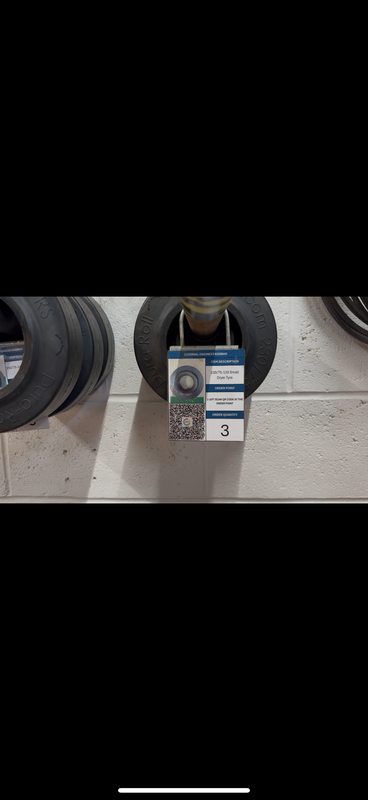
Reduce unnecessary stock, improve visibility and make it easier to know what you have, where it is and when it needs replacing.

Space Utilisation

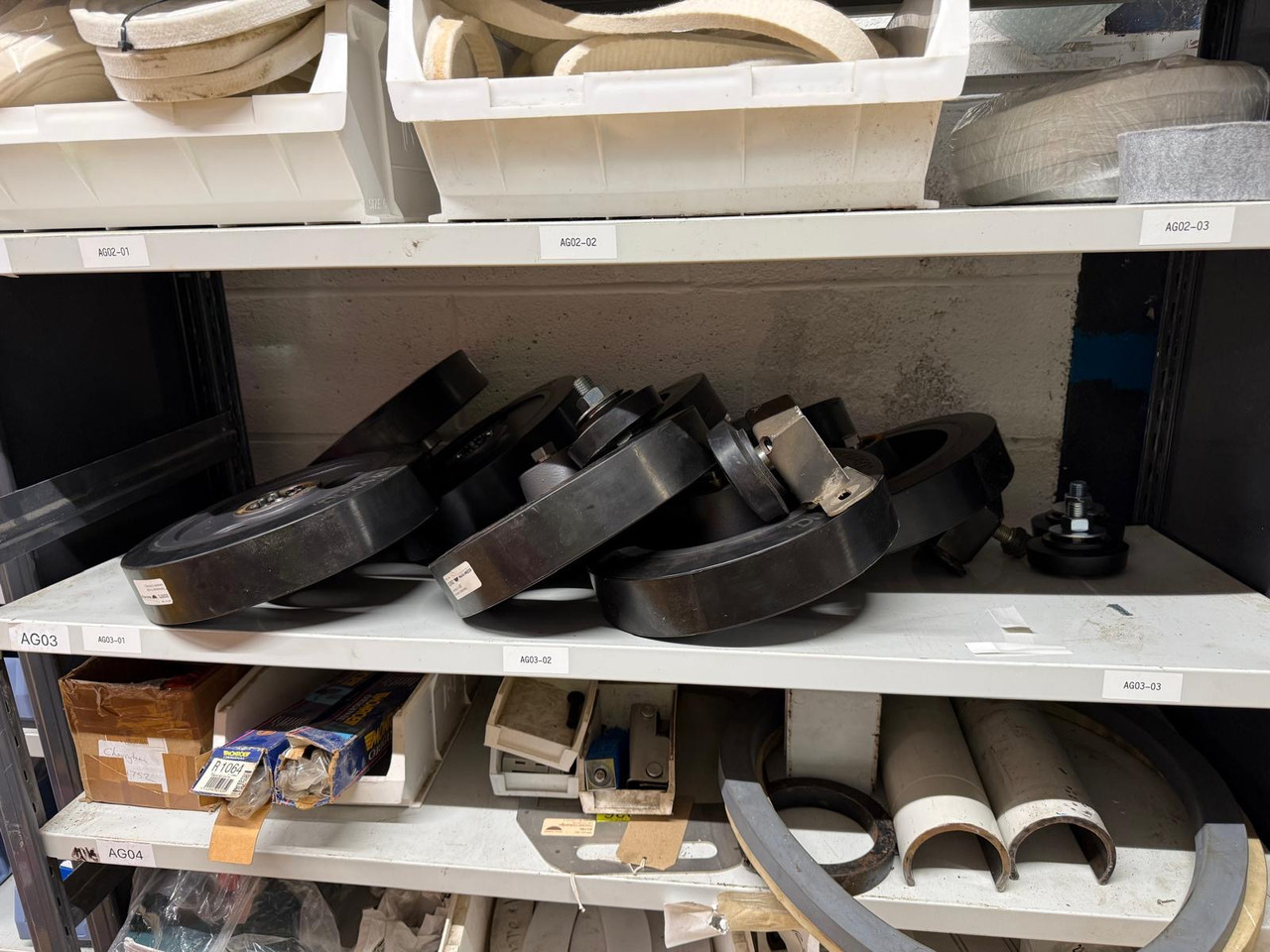
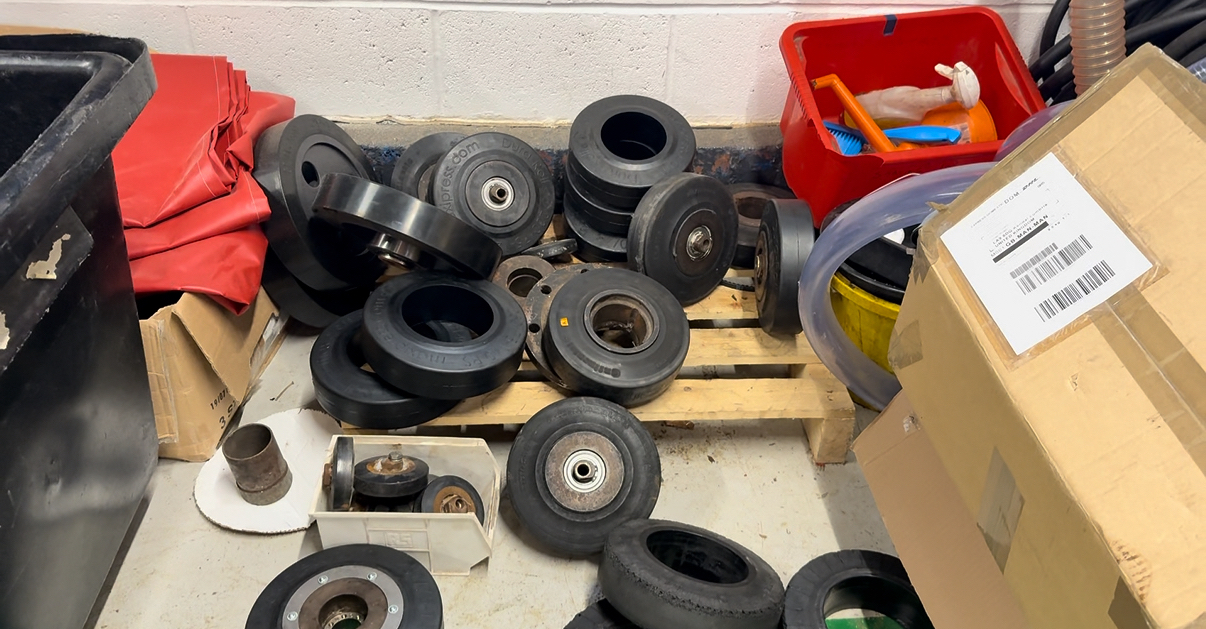
Make better use of valuable workplace space by removing clutter, improving layouts and putting things where they are actually needed.

Process Improvement

Find repeated work, waiting, poor handovers and awkward steps, then simplify them with the people who actually do the job every day.

Visual Management

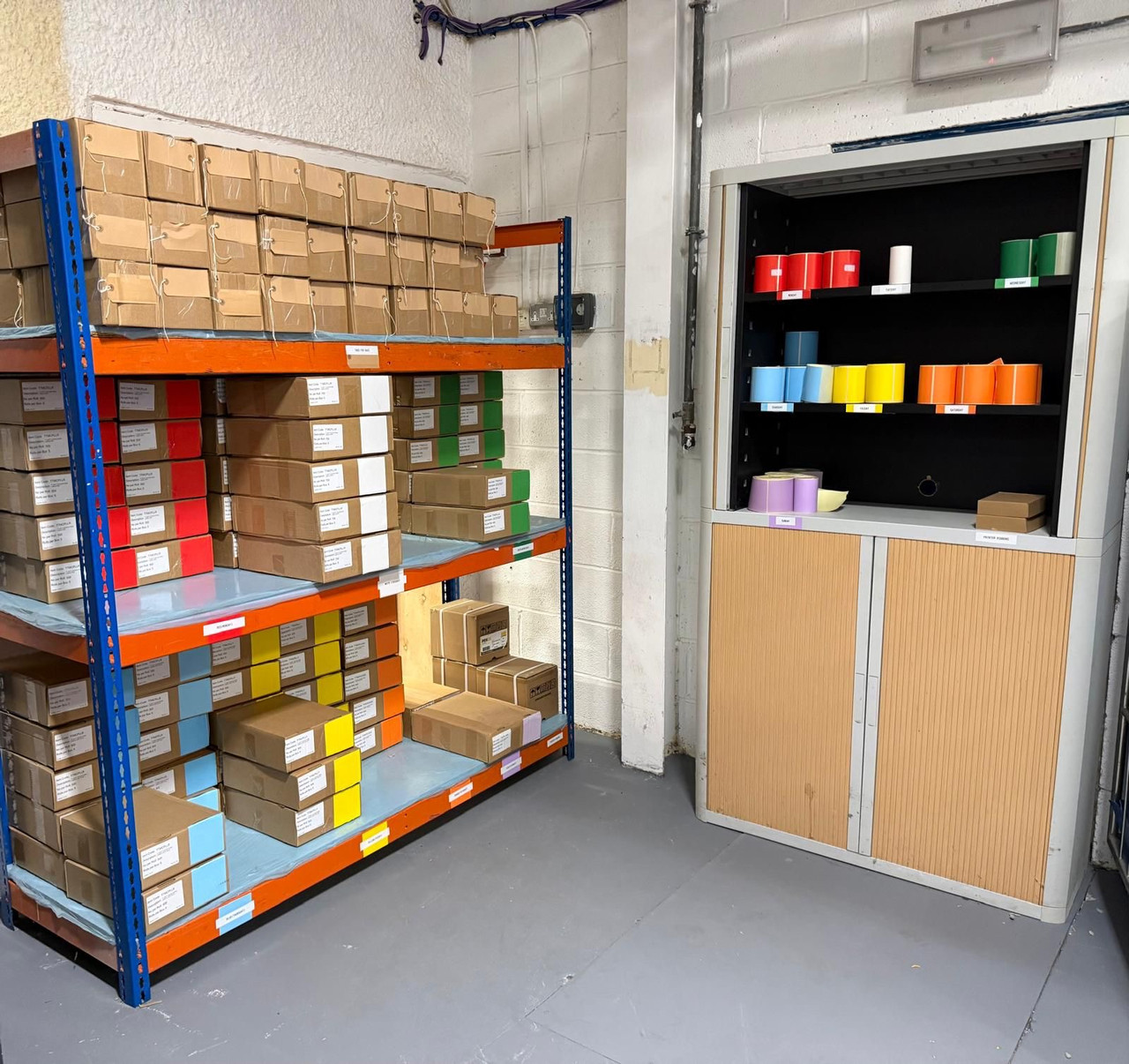
Create simple visual systems that make the workplace easier to understand at a glance — from storage and labels to standards, stock controls and improvement boards.

2 Second Lean Training

Simple, practical training that helps everyone spot waste, fix what bugs them and build a daily improvement habit without turning Lean into something complicated.

Not sure where to start?

If something is wasting time, causing frustration or just feels harder than it should be, send me a message and we can have a quick chat about it.

No sales pitch. Just tell me what’s bugging you.

WhatsApp Jordan
The Difference

I get my hands dirty.

I’m not your typical clipboard-carrying consultant. While others sit in boardrooms and print reports, I’m on the shop floor with you. If tools need moving, benches need building, or floors need marking, I’m there on my hands and knees doing the dirty work that you often don't find the time to do.

We don’t just talk about change; we make improvements alongside your team. Sometimes the best fix is surprisingly simple — move a tool, change a label, build a holder, shorten a route or remove a pointless step.

The Methodology

What is 2 Second Lean?

Simply put, it's about getting everyone in your company to fix what bugs them. It’s about making small improvements every single day.

Lean is often seen as complex, but we simplify it to one core daily habit: Eliminating Waste.

The point is to make improvement something people do, not something that only gets discussed in a meeting.

"I truly believe it would be incredible if the whole world did this. Realistically, only about 2% actually understand Lean."

The Evolution of Lean

Traditional Lean

  • Specialist Led: Requires external "Black Belts" to find problems.
  • Time to Results: Months of data before change.
  • Sustainability: Often vanishes when the specialist leaves.

Standing on the shoulders of giants

The Father of TPS

Taiichi Ohno

Ohno taught us that any activity that doesn't add value is Waste. Bedrock of our operating system.

2 Second Lean Creator

Paul Akers

Akers focused on building a culture of daily habit, making work fun and efficient.

The DOWNTIME 8 Wastes

D

Defects

O

Overprod.

W

Waiting

N

Talent

T

Transp.

I

Inventory

M

Motion

E

Extra Proc.

Case Studies

Real improvements. Real workplaces.

The Lean Compass is built around practical improvement, not theory. These examples show how Lean thinking, digital tools and simple systems can make work easier to understand, manage and improve.

Digital transformation & operational improvement

McQuillan Boiler Services

From paper logbooks and spreadsheets to connected cloud-based systems.

The challenge

Operational information was spread across paper records, Excel files and separate processes, making it harder to see what was happening across jobs, sites and customer activity.

What changed

Key workflows were moved into connected cloud platforms with digital reporting, automated information flow and AI-assisted analysis designed around how the team actually works.

The outcome

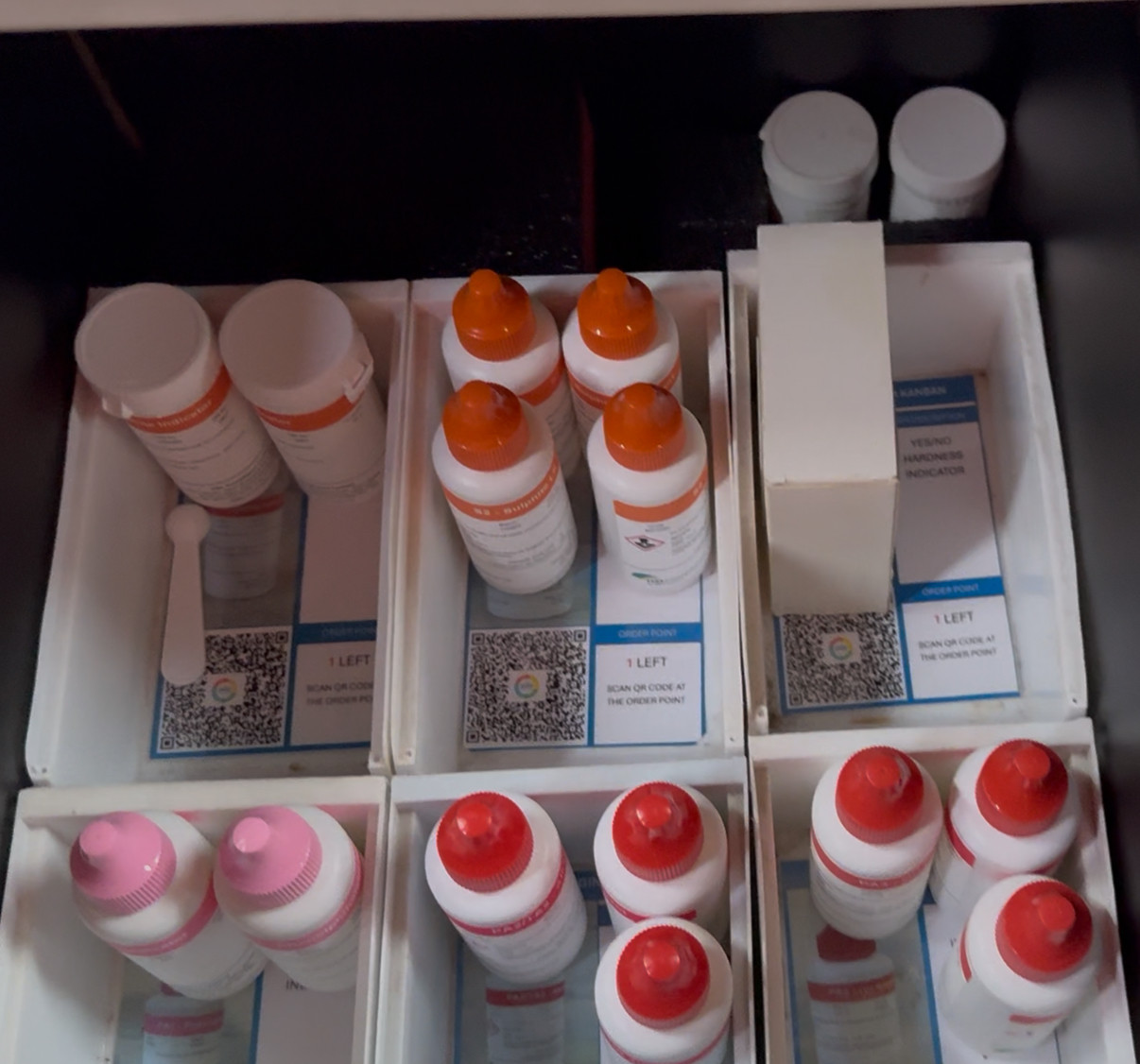
Information became easier to access and act on, with less reliance on duplicate administration and better visibility of operational areas such as chemical usage, stock, service activity and customer reporting.

Reduced paper dependency
Less duplicated data entry
Faster access to information
AI-assisted analysis
Cloud-based reporting
Better cost visibility

Lean culture, flow & daily management

Elis

Helping a large operational team make continuous improvement part of everyday work.

The challenge

A busy, paper-heavy factory environment needed clearer flow, stronger visual management and practical ways to involve a large team in continuous improvement.

What changed

Work included improving product flow, reducing paperwork, introducing structured morning meetings, Kanban systems, Lean learning and digital reporting tools.

The outcome

The focus moved beyond isolated fixes toward repeatable daily systems, clearer information and greater involvement from the people doing the work.

Improved product flow
Reduced paperwork
Structured morning meetings
Kanban systems
Digital reporting tools
Large-team Lean learning
Your workplace next?

Start with what is getting in the way.

You do not need a huge transformation programme. Start with one area, one process or one frustration and build from there.

Question 1 of 10 0%

Loading...